A small comfort
A pacifier can be a small help in your baby’s early months. It can comfort your baby and make moments like rest and small changes a little easier.
Some of the benefits of pacifiers are:
-
It soothes and comforts babies in fussy moments. It gives them something familiar to suck on.
-
It may support sleep for both babies and parents. Babies settle more easily and stay calm for longer with a pacifier.
-
It can help reduce thumb-suckling habits by giving another way to comfort your baby.
-
It is easy to bring with you when needed.
Every baby’s starting point
Finding the right pacifier can take a little time.
Some babies accept the first one they try. Others need a bit of time to get used to it. Both are completely normal.
When choosing a pacifier, it can help to consider shape, material, and size.
Think of these as guidance rather than rules. What matters most is what your baby accepts and feels comfortable using.
Shape - where comfort begins
The shape of the nipple affects how easily your baby accepts the pacifier. It also affects how it sits in the mouth. Small differences in form can influence how natural the suckling motion feels.
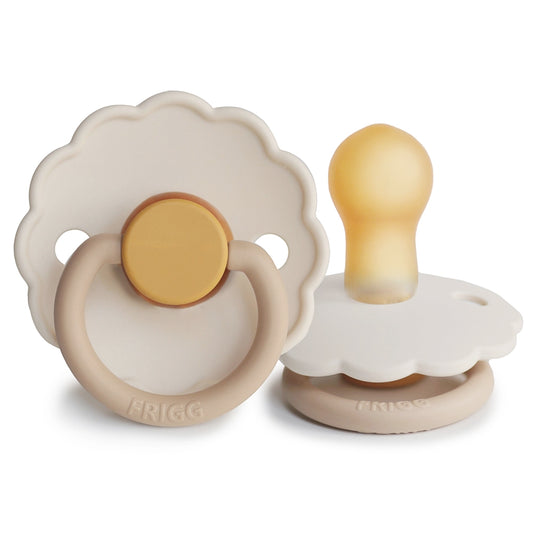
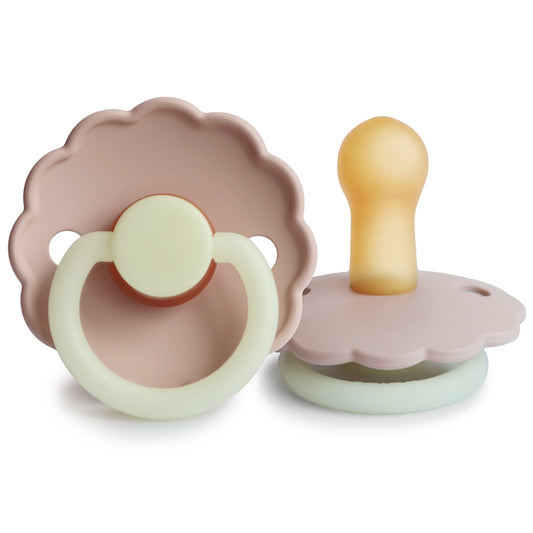
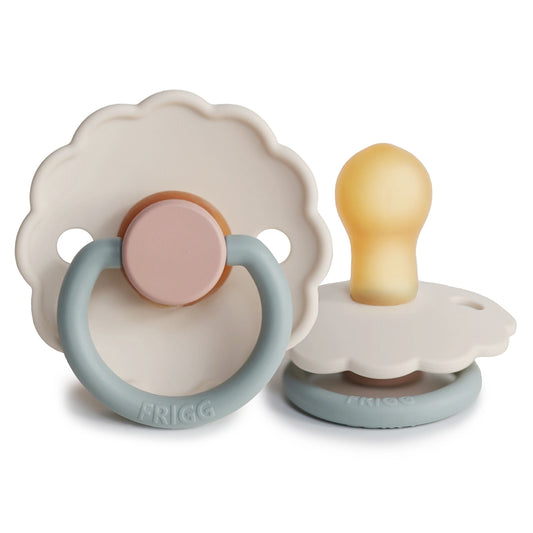
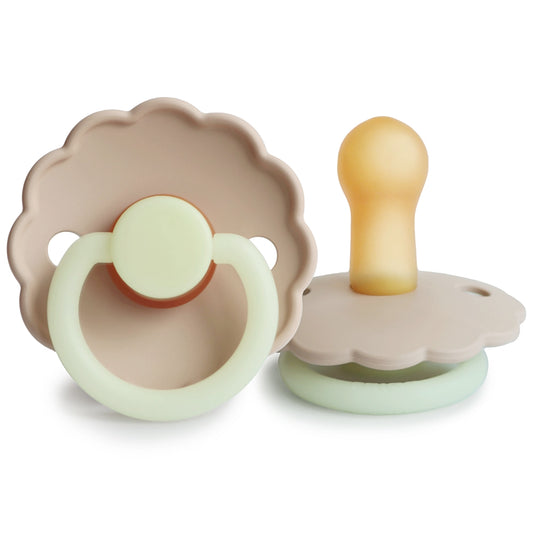
Round nipples are a natural place to start. Daisy and Little Viking are examples of this shape. They support a familiar suckling motion. Many babies find them easy to understand in the early months.
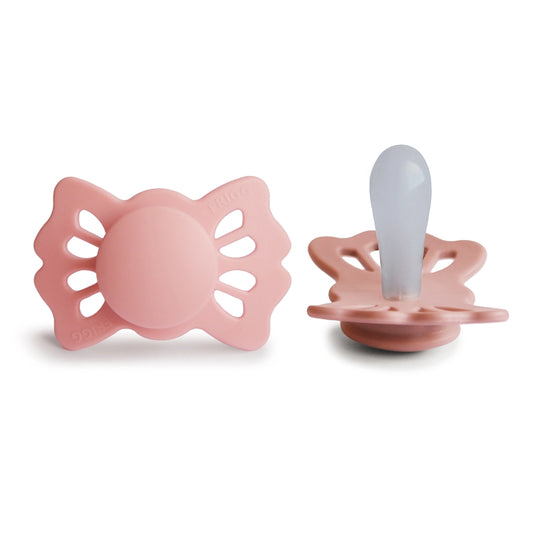
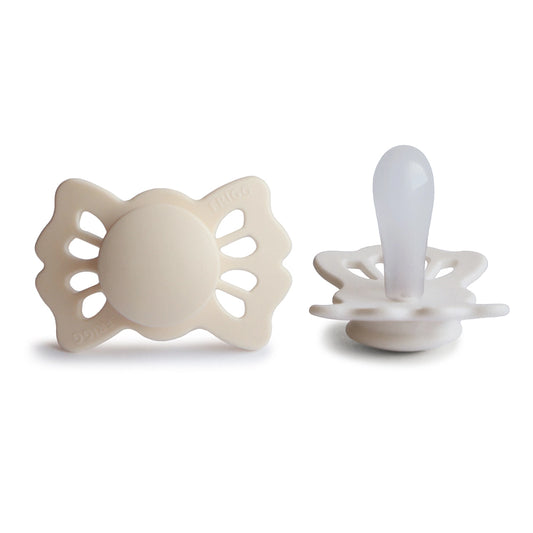
Symmetrical nipples sit evenly in the mouth. Lucky is an example of this shape. They cannot turn the wrong way. This makes them easy to use. They can also be helpful while coordination develops.
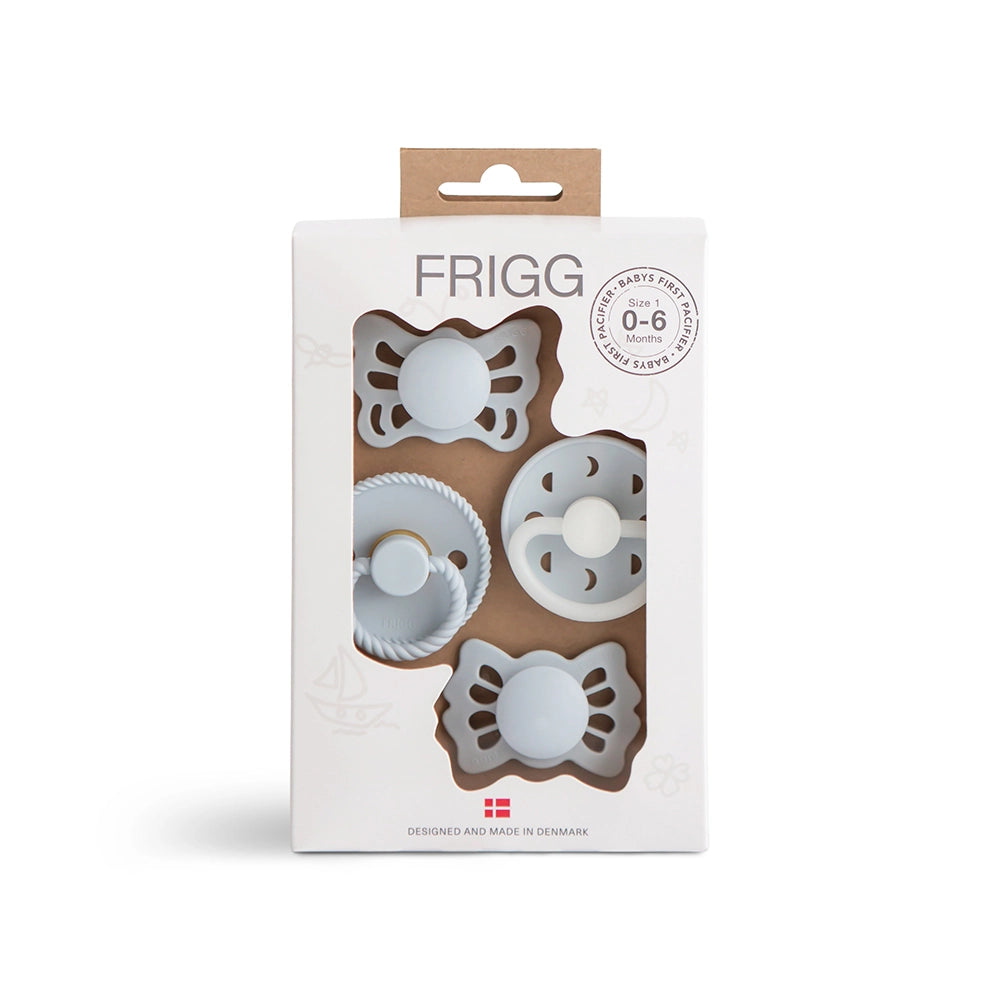
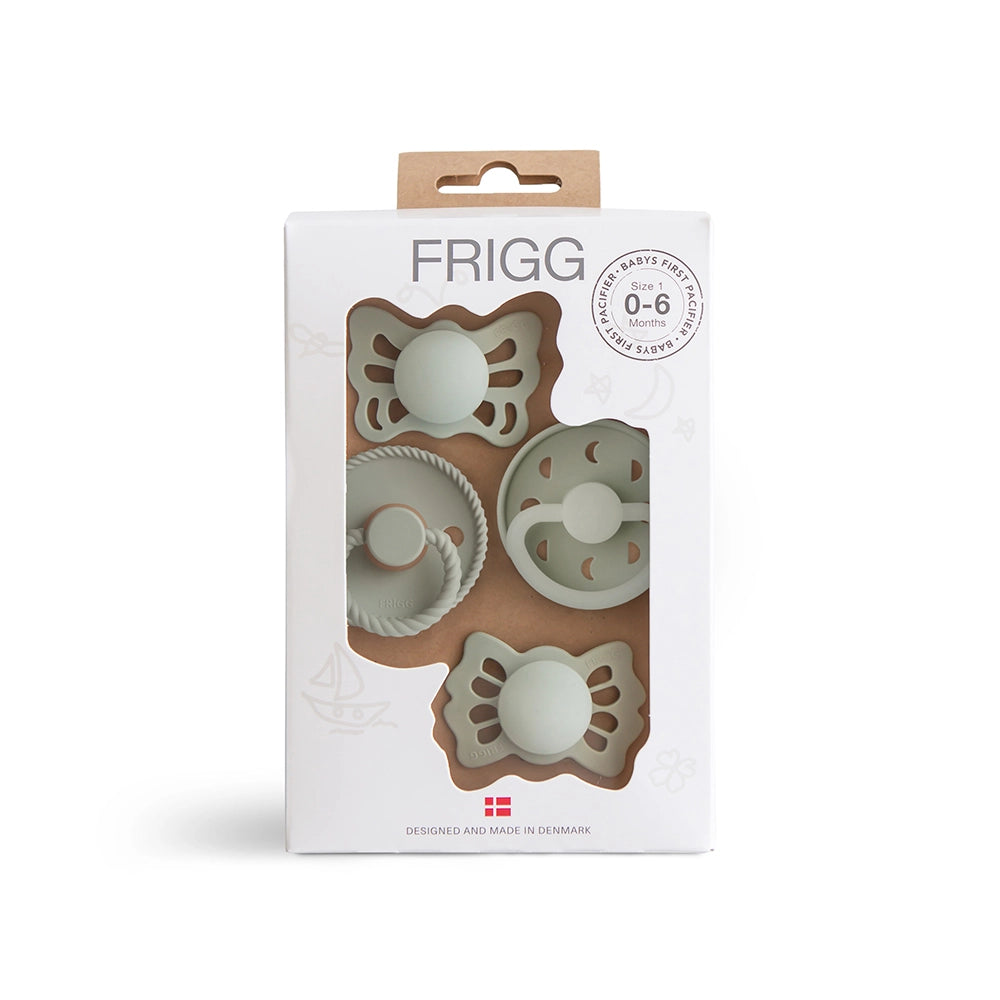
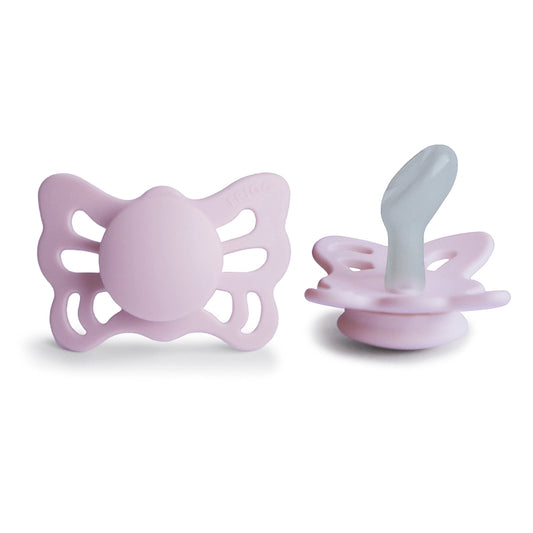
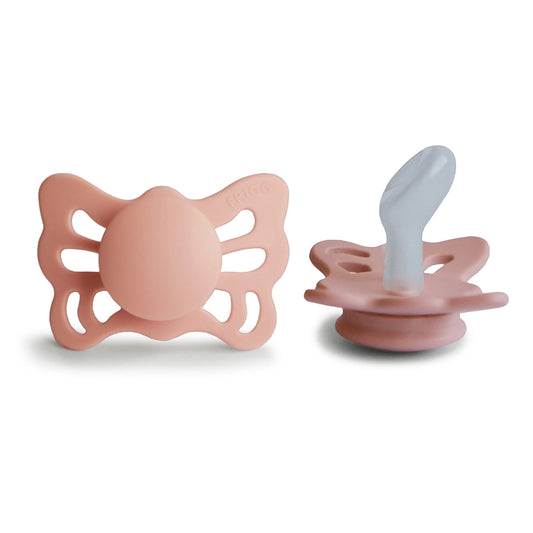
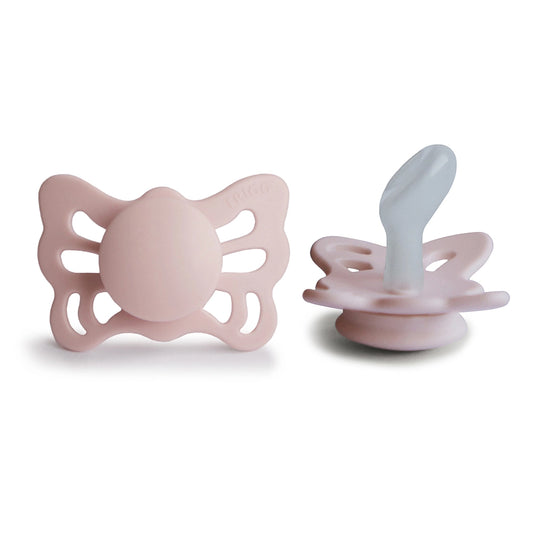
Anatomical nipples follow the natural shape of the mouth. Butterfly is an example of this shape. They are made to reduce pressure on the gums and palate. This helps create a gentle and guided fit.
Material - silicone or latex
The choice between silicone and latex is not about right or wrong. It is about what fits your baby.
Silicone pacifiers are made from food-grade silicone. They keep their shape with frequent use and are easy to clean.
Latex pacifiers are made from natural rubber. They are softer and more flexible, and they adapt to your baby’s mouth over time. Latex is a natural material. It can change with use and exposure to light.
If your baby prefers something soft, latex can be a good starting point. If you prefer something that keeps its shape, silicone is often a good choice.
Size - how to find the right one
Pacifier sizes follow age ranges. These ranges are a helpful starting point. Your baby’s preference can differ.
Sizes such as size 1 (0-6 monts) and size 2 (6+ months) support different stages of growth. Your baby’s preference may not always match the expected size. Some smaller babies prefer a larger size. Some older babies prefer a smaller one.
A pacifier that feels less overwhelming may be easier for your baby to accept. Follow the size guide, and observe how your baby responds. Trust your baby’s preference over time.
Practical guidance for baby pacifiers
Try different shapes
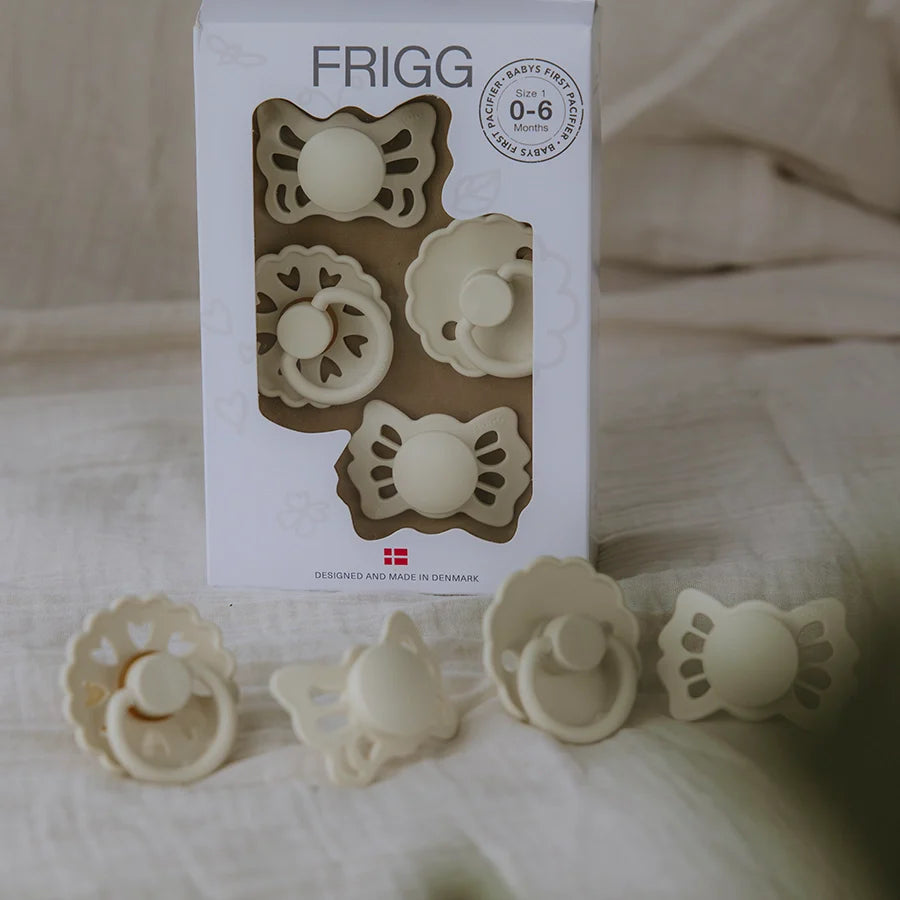
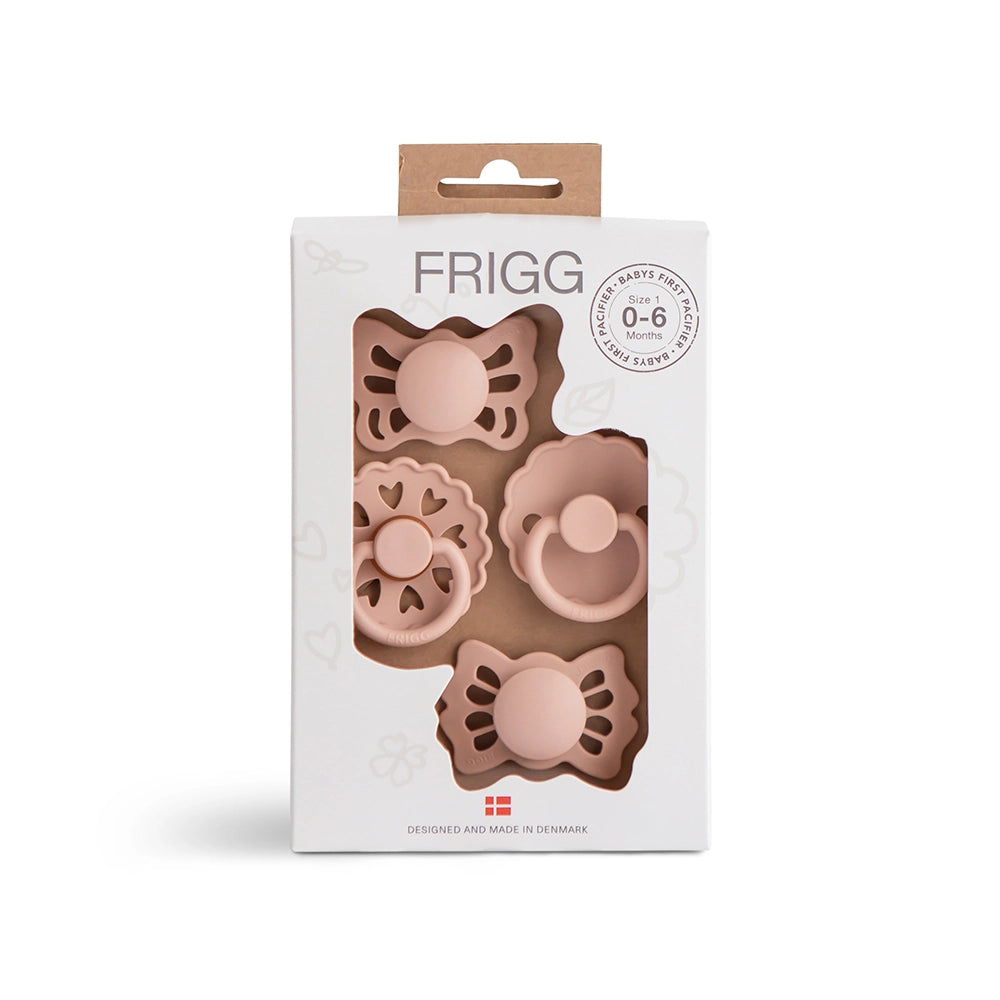
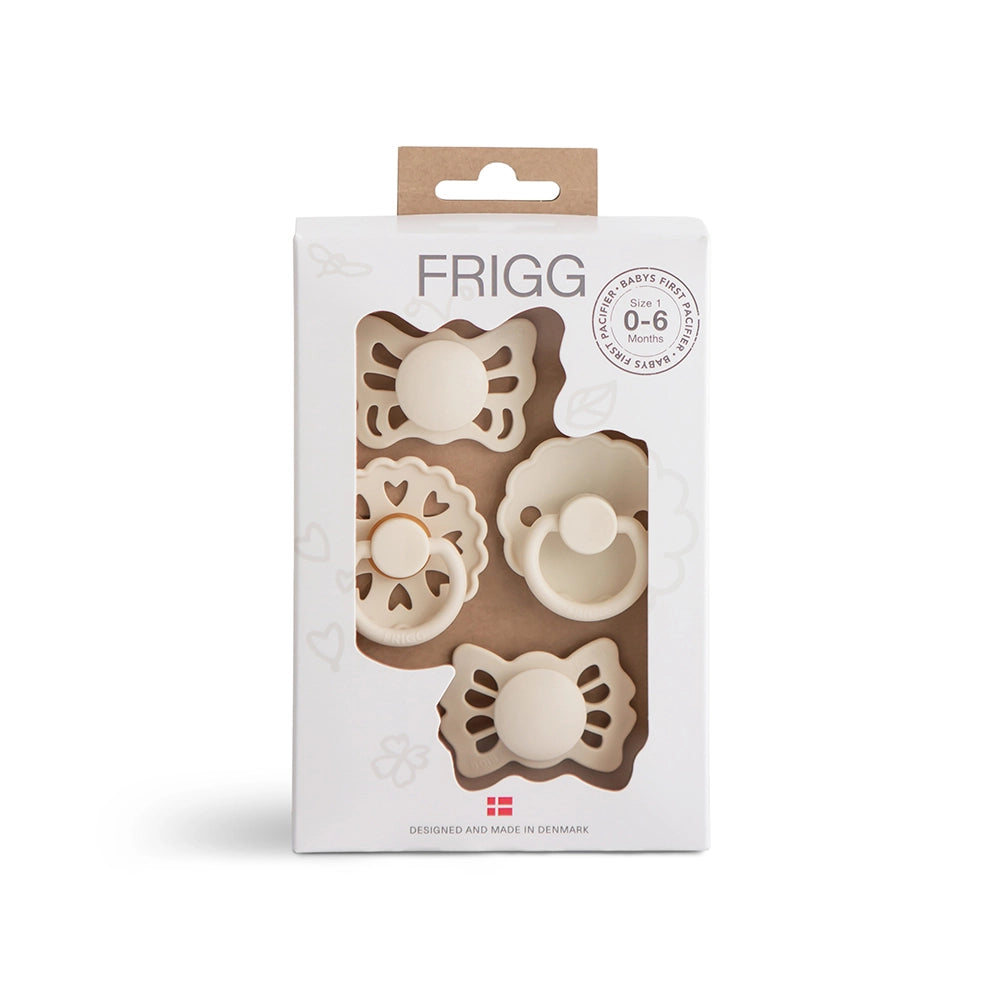
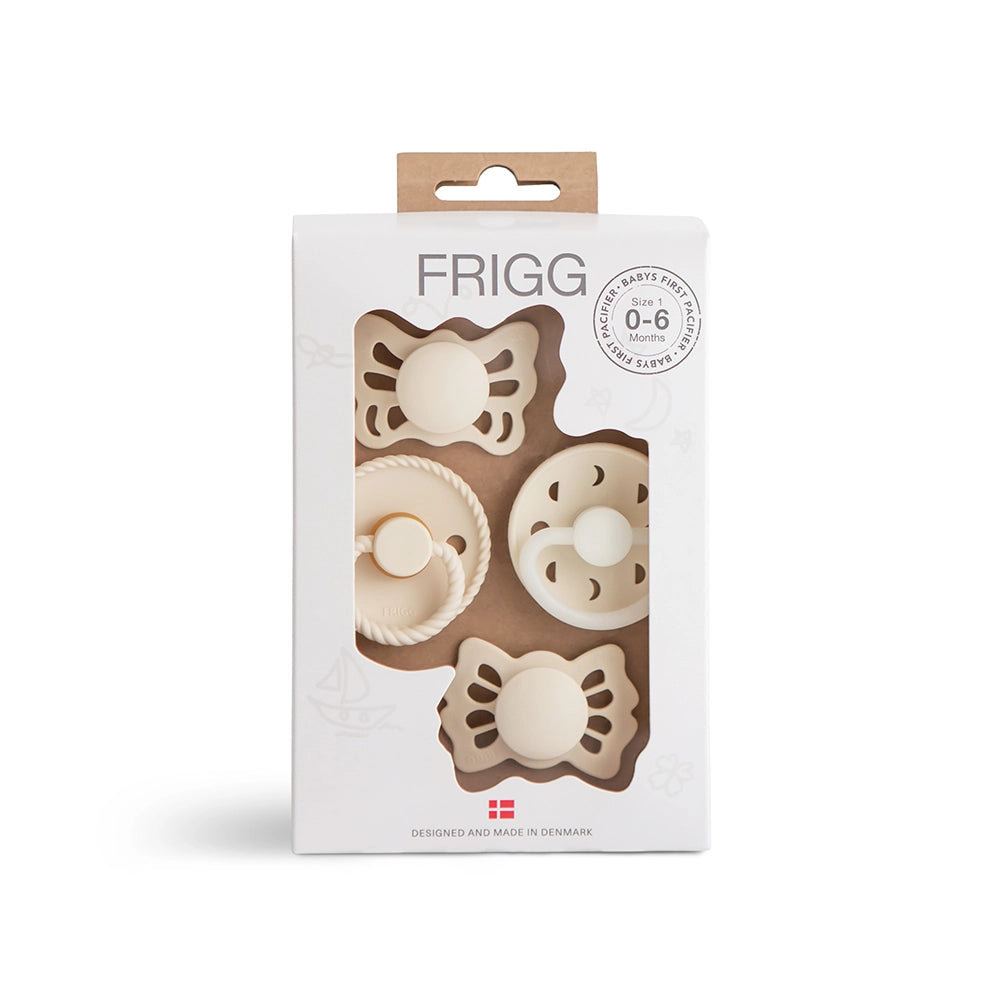
If a pacifier is not accepted, try introducing another shape. Our Baby’s First Pacifier packs make it easy to compare options, see what feels right for your baby, and notice how each shape sits in the mouth and how your baby responds over time.
Replace the pacifiers regularly
Over time, materials naturally show signs of use. Look for signs of thinning material. Check for small cracks, stickiness, discoloration, or loss of shape. You should replace pacifiers every 4-8 weeks, or sooner if any signs of wear show up.
Observe your baby’s response over time
Notice how your baby responds in different situations. Acceptance can change as coordination develops, and what feels difficult at first may become easier. Allow time, and adjust when needed rather than making quick conclusions.
Hygiene and sterilization
Keeping your baby’s pacifier clean is important for everyday hygiene. Sterilize the pacifier before its first use. Afterwards, clean it regularly with warm water and mild soap.
Depending on your baby’s age and needs, regular sterilization is recommended. Avoid “cleaning” the pacifier by putting it in your own mouth, and always rinse it thoroughly if it has fallen on the floor.
You can read more about how to sterilize a pacifier here.
A story behind every design
Each FRIGG pacifier design has its own inspiration.
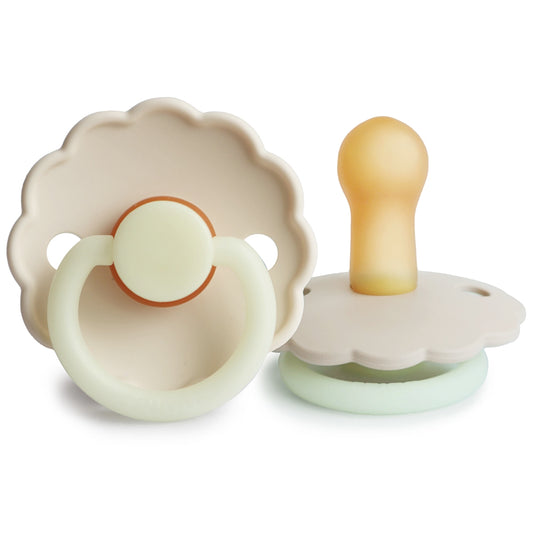
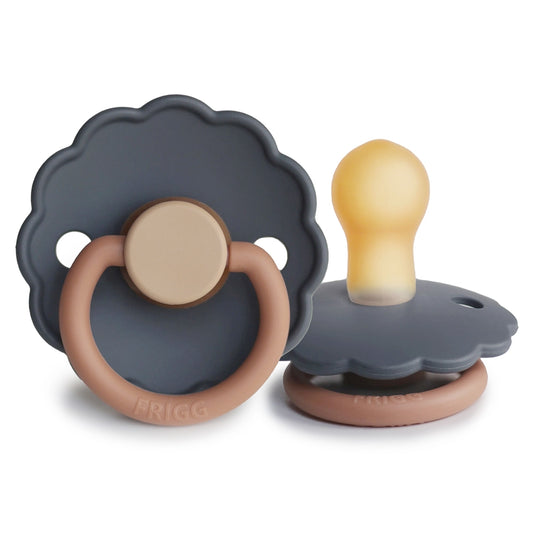
Daisy:
Daisy is based on Denmark’s national flower, the daisy, a symbol of purity, simplicity and quiet strength. The name is a direct reference to Dronning Margrethe II, connecting the design to Danish heritage.
Butterfly:
Takes its name and inspiration from one of nature’s most graceful transformations. From caterpillar to butterfly, it reflects growth, change and new beginnings - a gentle reminder of the early stages of life and the journey your baby is on.
Lucky:
Inspired by the four‑leaf clover, a rare symbol of good fortune cherished across cultures. Its name draws on this tradition of luck and comfort, suggesting a little charm that accompanies your baby’s early days.
Little Viking:
Draws on Nordic heritage and early Scandinavian traditions. The names of the pacifiers are inspired by the way Vikings were historically named, carrying a sense of identity rooted in that era.
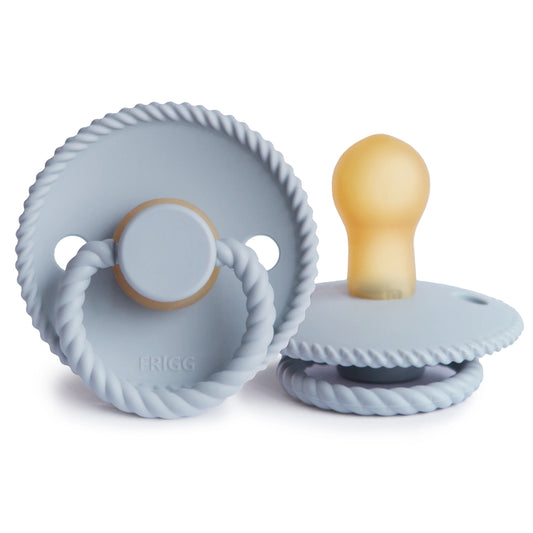
Rope:
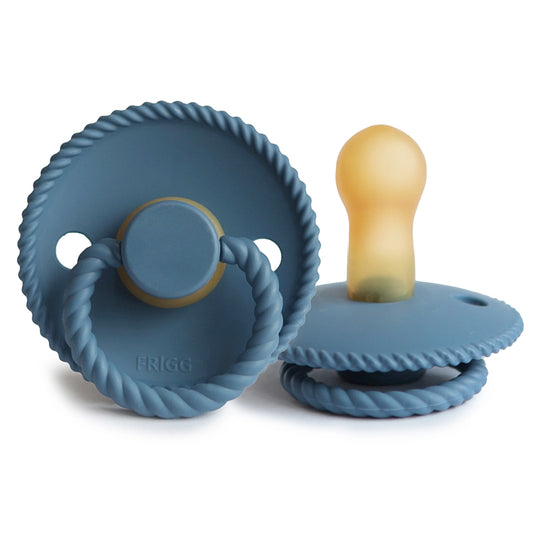
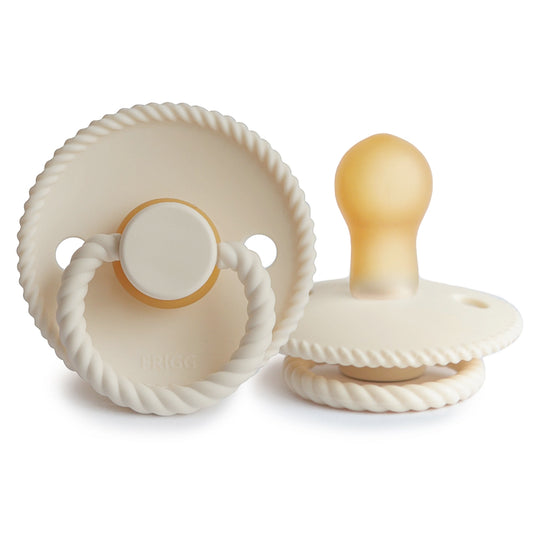
Rope symbolizes connection - the first bond between parent and child. Its name and design draw from the idea of a rope as a symbol of safety and security. It represents the unbreakable tie that holds loved ones close. It reflects comfort and reassurance.
Fairytale:
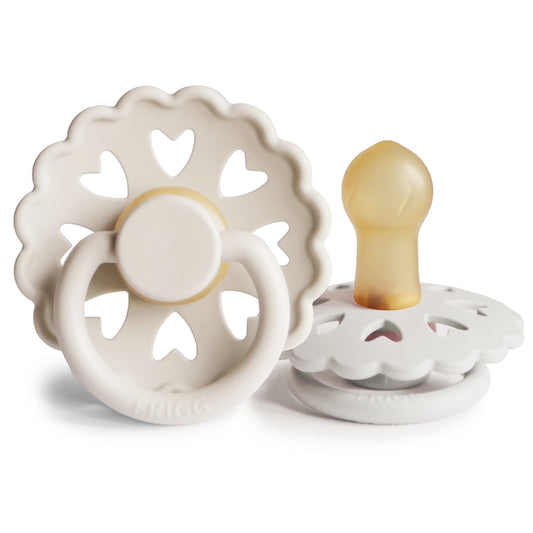
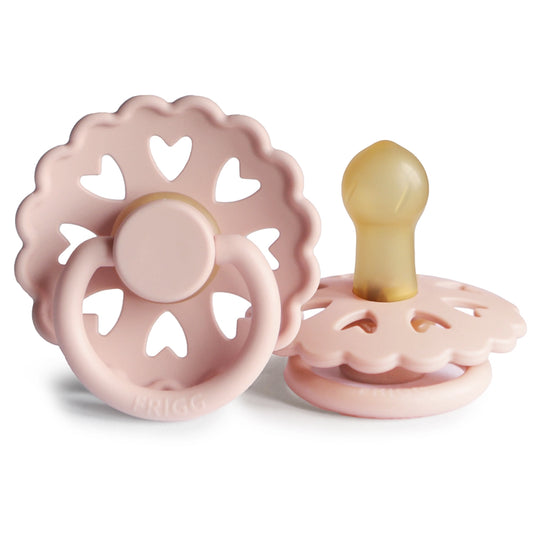
Fairytale is based on the timeless stories of H.C. Andersen and the world of classic Danish fairytales. The name reflects a sense of imagination, storytelling, and heritage drawing on the beloved tales that many parents and children know and cherish.
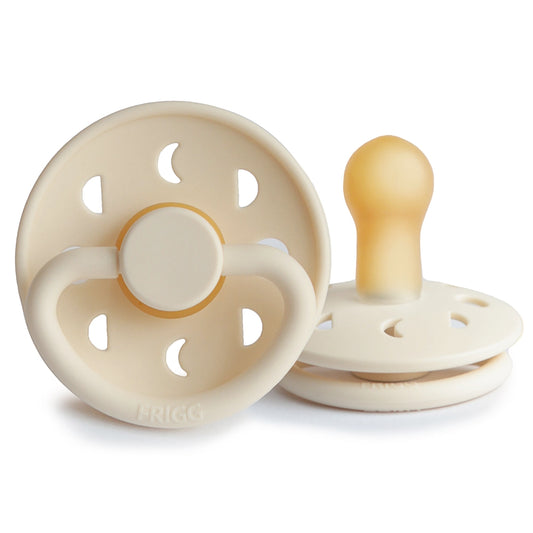
Moon Phase:
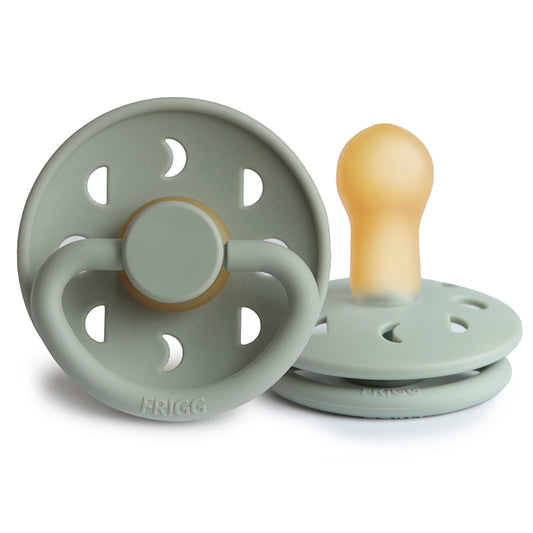
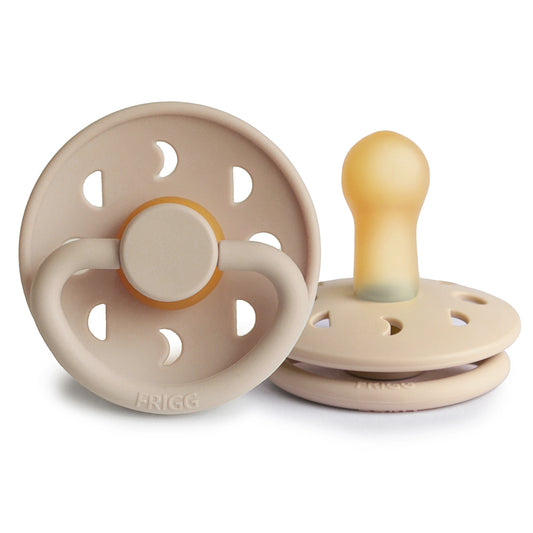
Takes its inspiration from the changing phases of the moon. The design echoes the familiar saying “I love you to the moon and back,” capturing that sense of deep, everlasting love between parent and child.
Night:
Made with practicality in mind, having a glow-in-the-dark detail that makes it easy to locate in low light. It helps your baby find the pacifier in the dark and supports calm moments during the night.
Made 100% with care in Denmark
All FRIGG pacifiers are designed and made in Denmark. Tested to EN 1400 and A2 standards, with additional quality checks in Hinnerup. Shields are produced by Schnoor Plast and nipples by Almo Sil, both Danish manufacturers known for consistent quality. Some designs include Click-Lock® for added safety and durability.